

Description
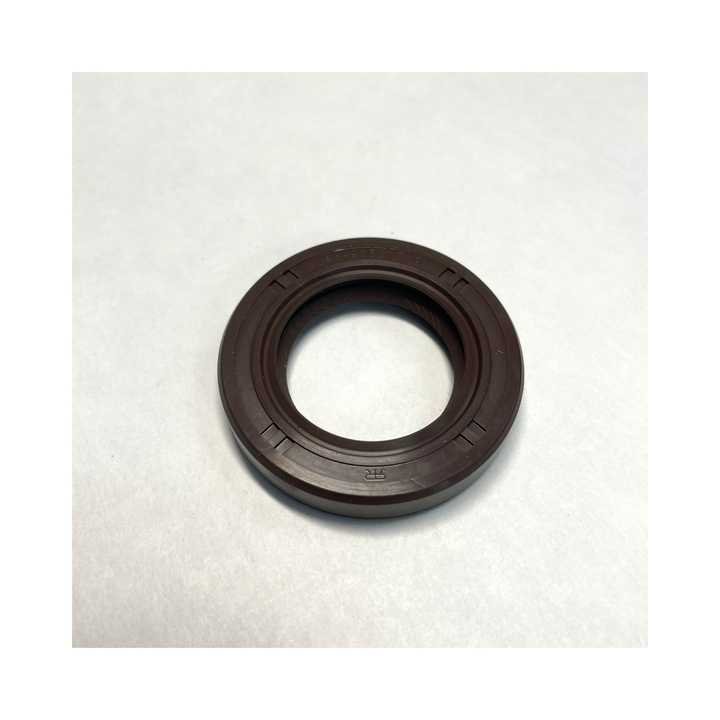
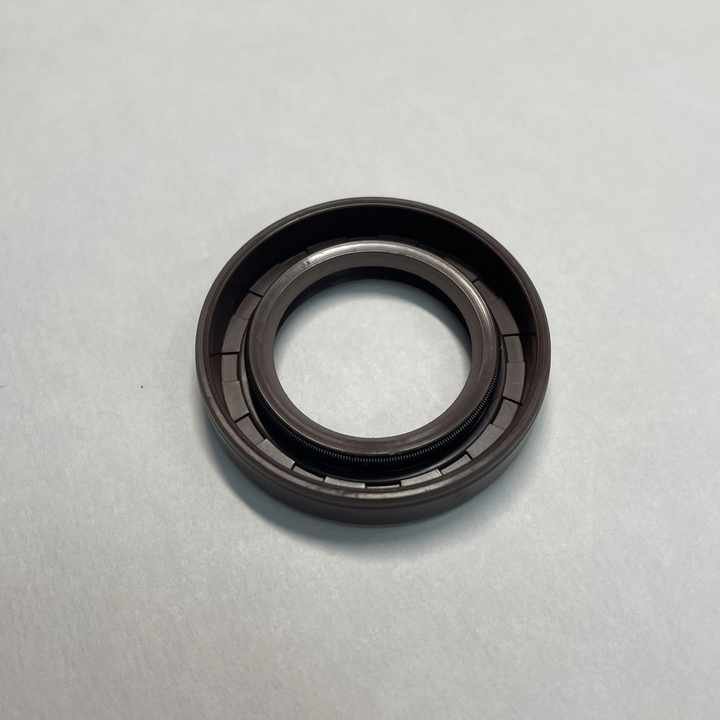
– An ACM Precision Front Oil Seal, typically found in automotive engines, is a crucial component designed to prevent oil leakage from the front of the crankshaft.
– It acts as a barrier between the engine block and the crankshaft, ensuring that lubricating oil remains contained and contaminants are kept out.
– These seals are often made from acrylic rubber (ACM), chosen for its good oil and heat resistance.
Key Features:
Function:
The primary role of a front oil seal is to prevent oil from escaping the engine’s lubrication system, specifically from the crankshaft area.
This is vital for maintaining proper oil levels and pressure, ensuring smooth engine operation and preventing damage.
Material:
ACM (acrylic rubber) is a common material due to its resistance to oil and heat, making it suitable for the demanding environment within an engine.
It offers a balance of properties similar to nitrile rubber (oil resistance) and silicone rubber (heat resistance).
Location:
Front oil seals are typically located where the crankshaft exits the engine block, often in the timing cover.
Importance:
A failing front oil seal can lead to oil leaks, which can cause a variety of problems, including:
Lowered oil levels, leading to potential engine damage from lack of lubrication.
Contamination of the timing belt or chain, potentially leading to premature wear or failure.
Reduced engine performance and increased emissions.
Considerations:
While ACM offers good performance, it’s important to note that it has limitations in certain conditions, such as contact with water and some chemicals.
Reviews
There are no reviews yet.